Small brands often assume they can’t compete with larger companies that have bigger budgets, wider reach, and stronger brand recognition. In reality, local SEO levels the playing field—and in many cases, gives smaller businesses a strategic advantage. By focusing on proximity, relevance, and trust, local SEO allows small brands to win attention exactly where it matters most: in their own communities.
At its core, local SEO ensures your business appears in search results when nearby customers are actively looking for your products or services. Unlike broad digital marketing strategies that target large audiences, local SEO narrows the focus to high-intent users—people ready to take action. This precision is where small businesses can outperform bigger competitors.
Capture High-Intent Local Traffic
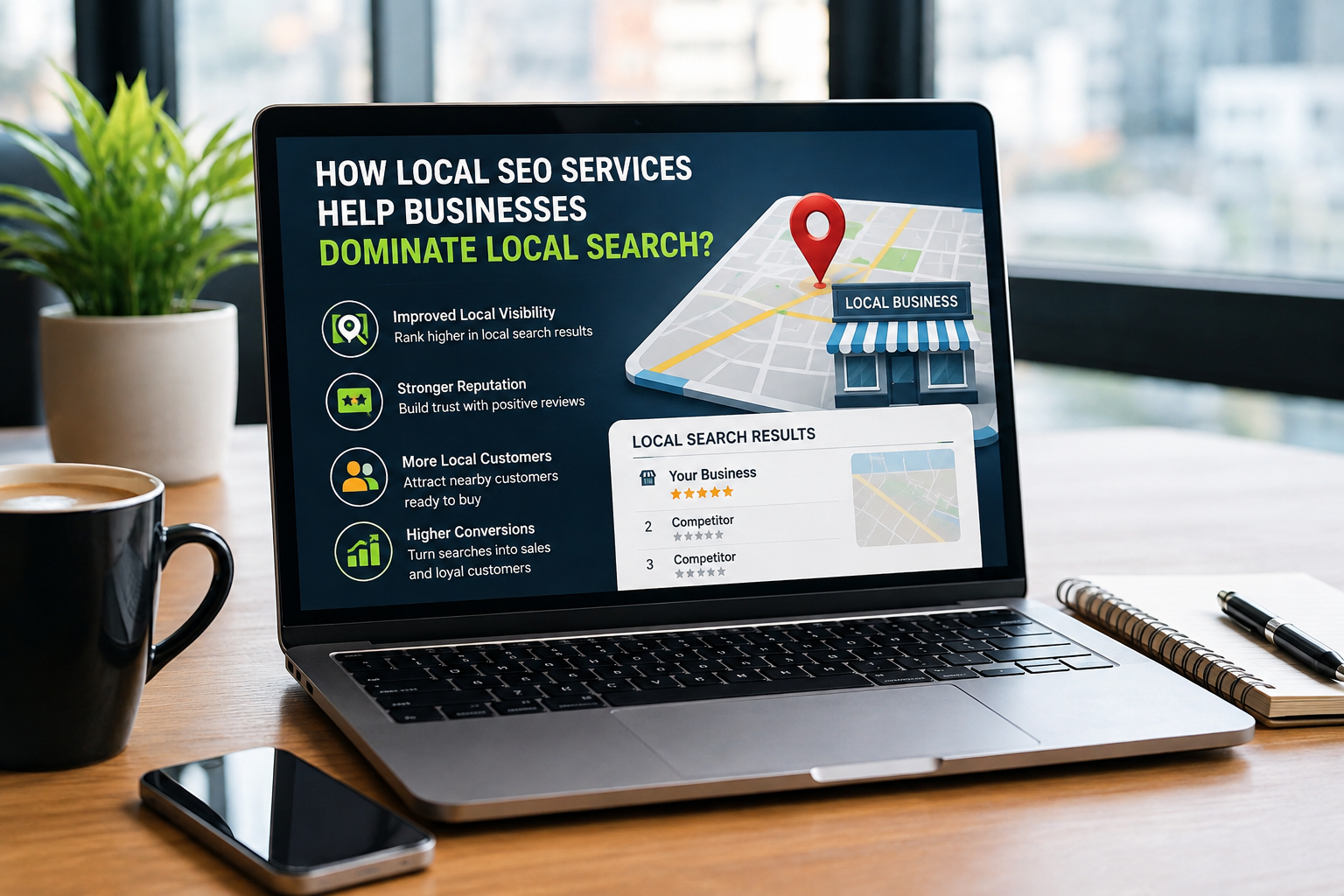
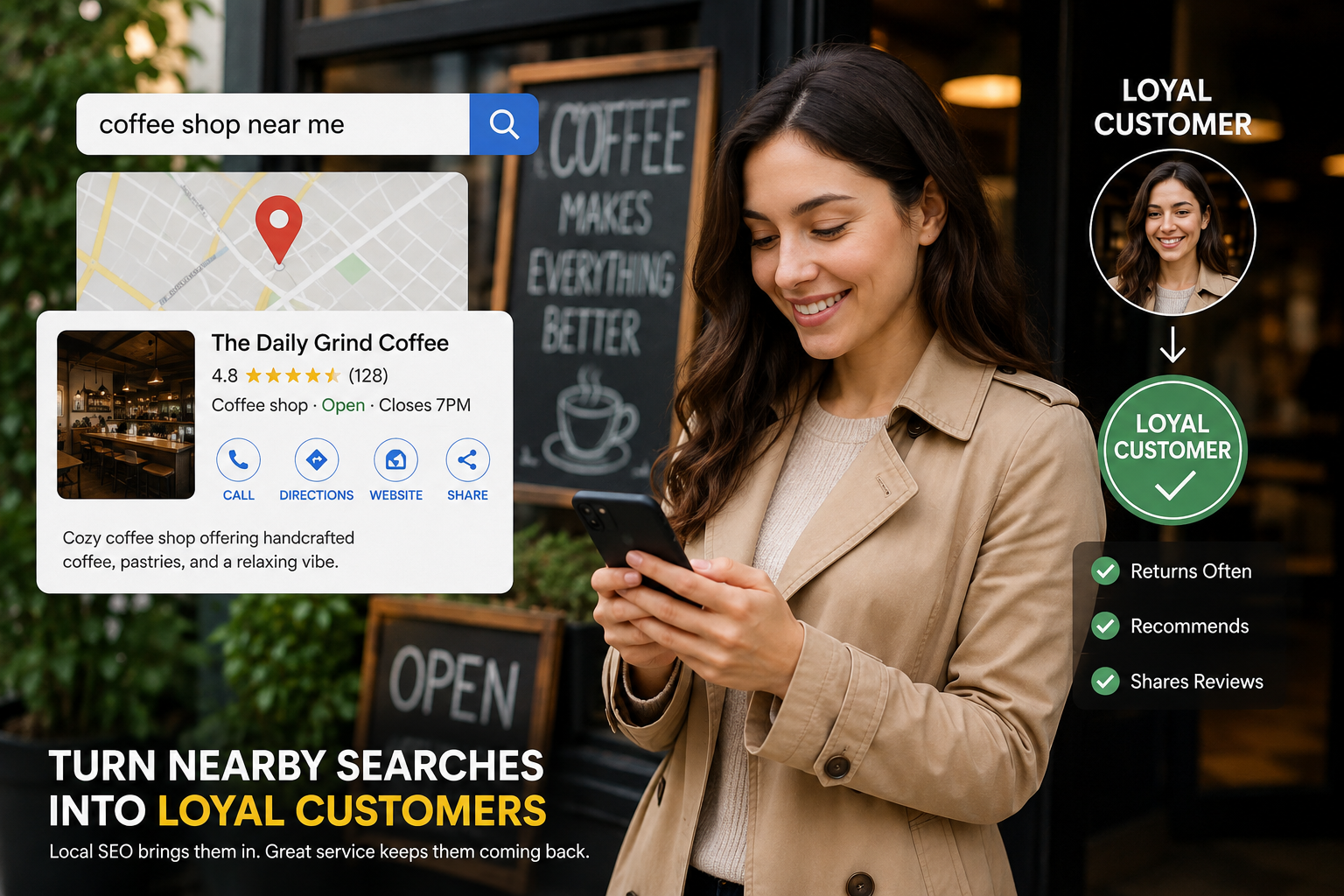
When someone searches for “best bakery near me” or “plumber in Delhi,” search engines prioritize local relevance. If your business is properly optimized, you can appear in the Google Local Pack—those top map listings that dominate visibility. Large brands may rank nationally, but they often lack the local signals needed to dominate hyperlocal searches.
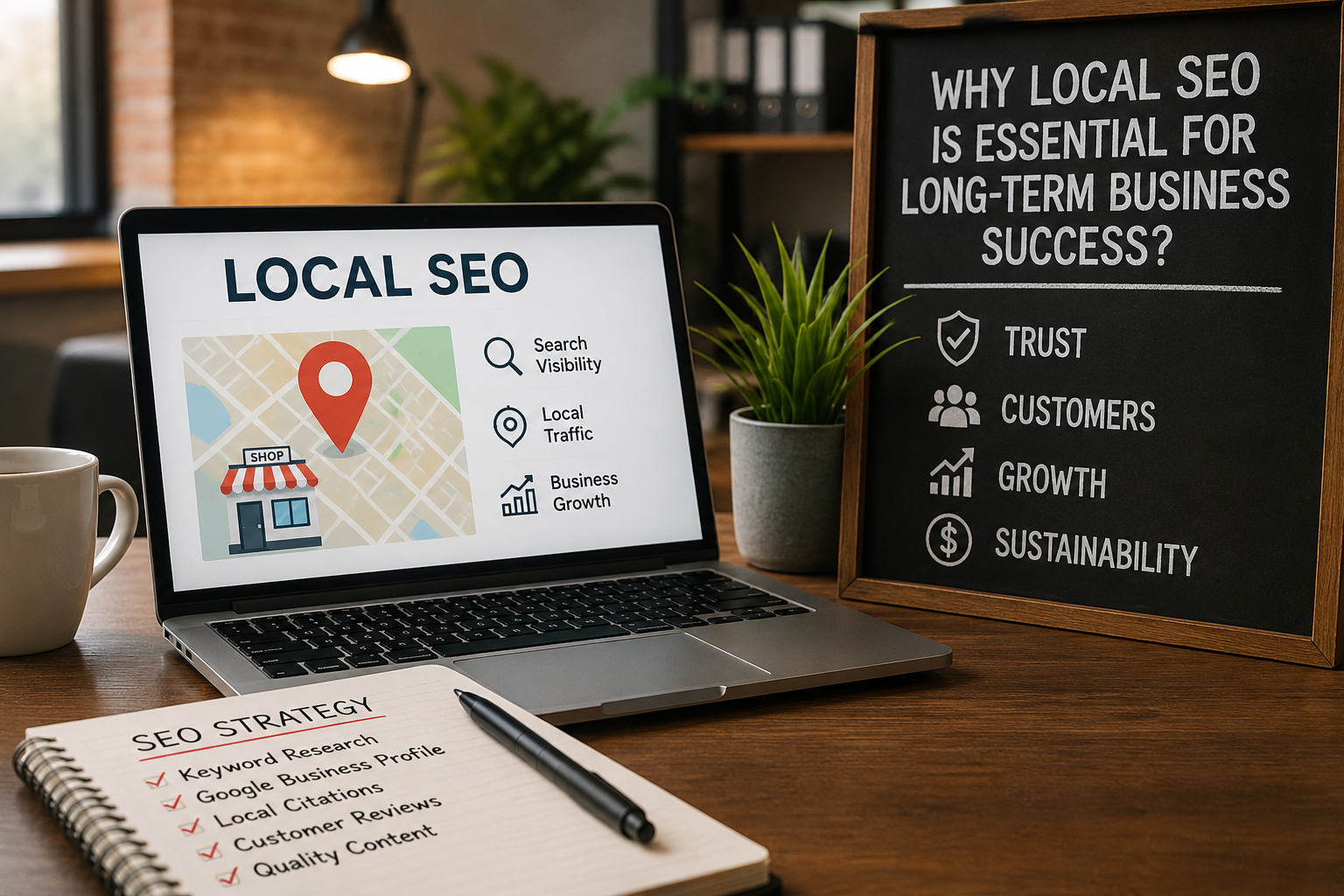
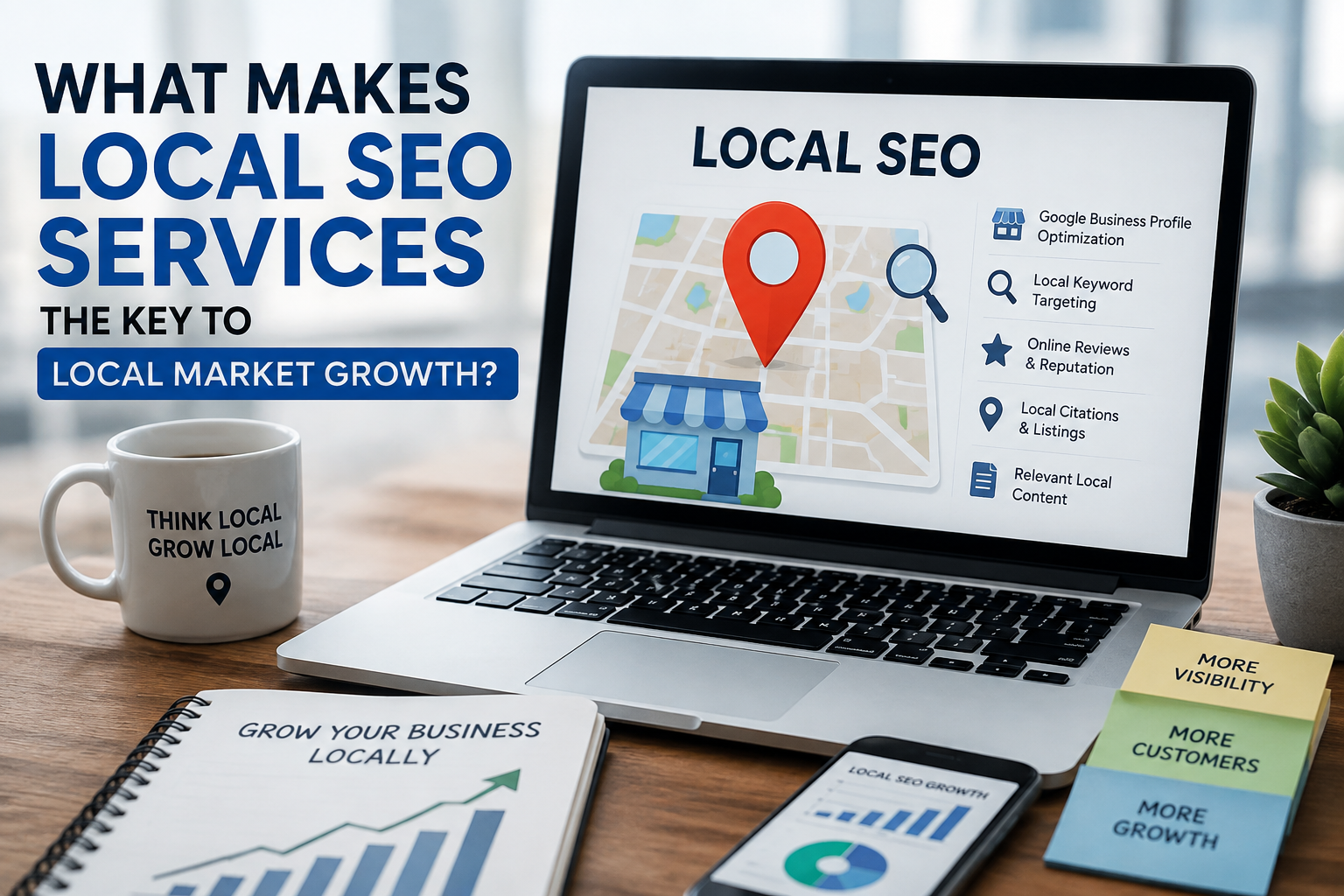
By optimizing your Google Business Profile, maintaining accurate NAP (Name, Address, Phone Number) details, and encouraging customer reviews, your business becomes more visible in these critical moments. Small brands that invest in these basics often outrank bigger companies that overlook local optimization.
Build Trust Through Reviews and Reputation
Consumers trust local businesses with strong reviews more than well-known brands with little local presence. A steady stream of authentic, positive reviews signals credibility and reliability. It also directly influences search rankings.
Encouraging satisfied customers to leave reviews—and responding to them professionally—builds a strong reputation that big brands can’t easily replicate at scale. Local engagement feels more personal, and that matters to customers making quick decisions.
Target Specific Geographic Niches
Large companies typically target broad regions, but small businesses can dominate specific neighborhoods or districts. By creating localized content—such as blog posts, service pages, or landing pages tailored to specific areas—you increase your chances of ranking for long-tail keywords.
For example, instead of competing for “digital marketing services,” a small agency can target “local SEO services in West Delhi” or similar phrases. This strategy reduces competition while increasing relevance.
Working with experts offering professional local SEO services for small businesses can help refine this approach, ensuring your business targets the right keywords and geographic segments for maximum impact.
Leverage Local Backlinks and Citations
Backlinks remain a key ranking factor, but local SEO emphasizes quality over quantity. Getting featured on local directories, community websites, or regional blogs can significantly boost your authority.
Small brands have an advantage here—they’re often more connected to their communities. Sponsoring local events, collaborating with nearby businesses, or getting listed in local publications builds strong, relevant backlinks that improve search visibility.
Consistent citations across platforms (like Yelp, Justdial, or Google) also reinforce your business’s legitimacy in the eyes of search engines.
Optimize for Mobile and “Near Me” Searches
A large percentage of local searches happen on mobile devices. People are looking for quick answers—directions, phone numbers, hours of operation. If your website is mobile-friendly and fast, you’re more likely to convert these users into customers.
Small businesses can often implement changes faster than large corporations. This agility allows you to stay ahead by continuously improving user experience, updating information, and adapting to search trends.
Create Hyper-Relevant Content
Content marketing isn’t just for big brands. In fact, small businesses can produce more targeted, locally relevant content that resonates deeply with their audience.
Think of content like:
- Local guides (“Best Cafes in [Your Area]”)
- Community event coverage
- Location-specific service pages
- FAQs tailored to local customer concerns
This type of content not only improves SEO but also positions your brand as a local authority.
Use Data to Compete Smarter
Local SEO tools provide insights into what your audience is searching for, how competitors are performing, and where opportunities exist. Small businesses can use this data to make smarter decisions without wasting resources.
Instead of trying to outspend bigger brands, you can out-strategize them—focusing on gaps they’ve ignored.
Partnering with a trusted agency for JDM Local SEO solutions ensures your strategy is data-driven, targeted, and continuously optimized for results.
Turn Visibility Into Conversions
Ranking higher is only part of the equation. Local SEO also improves conversion rates because it connects you with users who are ready to act. Clear calls-to-action, updated business information, and strong reviews all contribute to turning searchers into customers.
Make it easy for users to contact you, find your location, or book your services. Even small improvements in these areas can significantly impact revenue.
If you’re ready to strengthen your local presence and compete more effectively, you can get in touch with our local SEO experts today for tailored guidance.
The Competitive Edge of Being Local
Big brands may have reach, but small businesses have relevance. Local SEO amplifies that advantage by connecting you directly with your community. It rewards authenticity, consistency, and engagement—qualities that small brands naturally excel at.
By focusing on local optimization, building trust, and targeting the right audience, small businesses can not only compete with larger rivals but often outperform them where it matters most: in winning real customers nearby.